
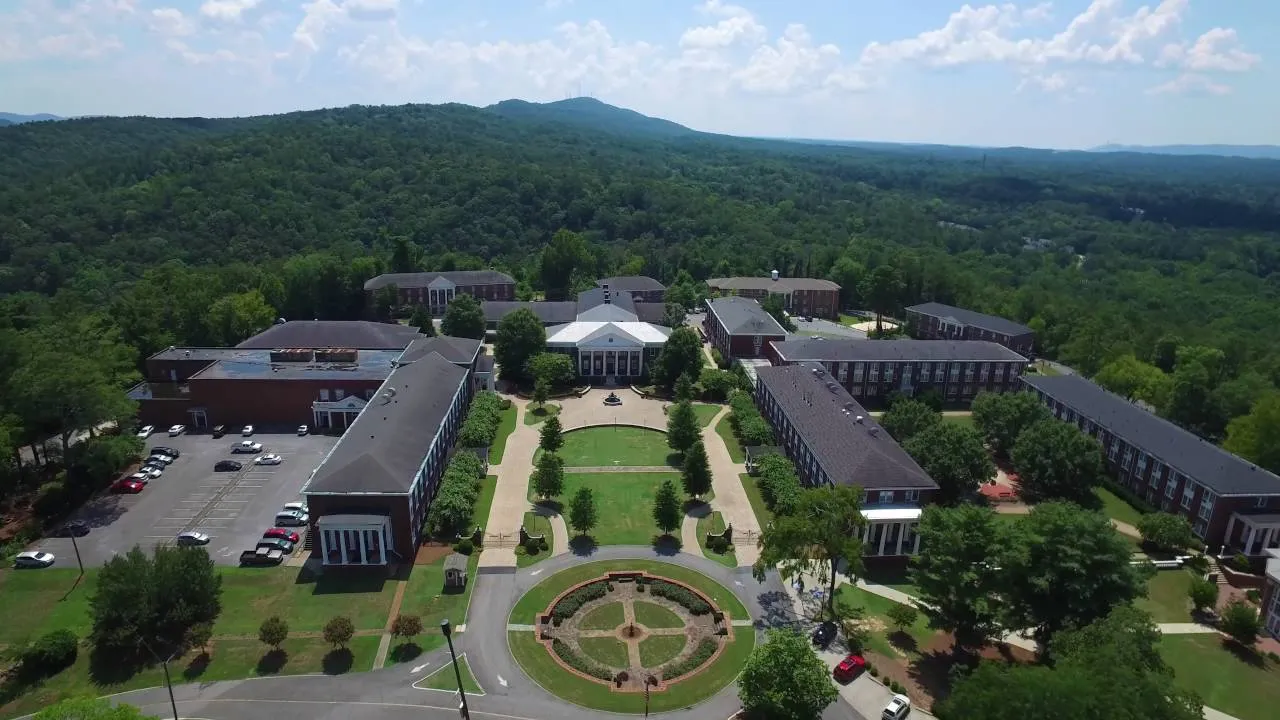

Shorter University Women's Tennis
Shorter University (SU) · Rome, Georgia · Private nonprofit university
Shorter University Women's Tennis coaches
Coaches at Shorter University who recruit Women's Tennis, head coach first.
Message the Shorter University coaches without writing a single email
AI writes a personal message to every coach from your own Gmail and follows up until they reply. Free for 7 days.
The program
Where Shorter University competes and how it ranks.
- Affiliation
- NCAA
- Division
- Division II
- Conference
- Gulf South Conference
- Program level
- Somewhat Recognized
- Athletics site
- goshorterhawks.com
How you compare
The middle 50% of admitted students score inside the blue band. Test policy: Considered but not Required.
Popular majors
- Test policy
- Considered but not Required
- Student-to-faculty
- 14 : 1
- Graduation rate
- 38% in six years
What it costs
Yearly figures. Net price is the average paid after grants and scholarships.
Where it is
Shorter University in Rome.
- Location
- Rome, Georgia
- Type
- Private Non-Profit
- Religious affiliation
- Baptist
- Time zone
- Eastern
- Website
- shorter.edu
About Shorter University Women's Tennis
How the program competes and what the school is like.
Orville Adams, the Head Tennis Coach, leads the Shorter University Women's Tennis staff of 2 coaches, verified June 2026. Shorter University (SU) competes in NCAA Division II Women's Tennis as a member of the Gulf South Conference. Shorter University is a small private school in Rome, Georgia with 1,318 undergraduates, a 96% acceptance rate and an average net price of $16,692 a year after aid.
How to get recruited by Shorter University Women's Tennis
What to send, who to send it to and when to follow up.
- Find the right coachEmail Orville Adams, the Head Tennis Coach. Shorter University has 2 coaches for Women's Tennis, so write to the one who recruits your position or event, not only the head coach.
- Lead with your numbersPut your UTR rating, national ranking and tournament results in the subject line and first sentences. Division II coaches look for athletes who can contribute early, and often split partial scholarships across a roster.
- Send your videoInclude match-play footage, not just practice, with the link near the top so Orville can watch without scrolling.
- Show the academic fitAdmitted students at Shorter University typically score 1040–1200 on the SAT and 18–25 on the ACT, and testing is considered but not required. Mention your GPA and intended major.
- Follow upCoaches rarely reply to the first email. Follow up with the Shorter University staff after a week, and again after your next tournament with updated results.
Shorter University Women's Tennis FAQ
Quick answers about the program, the school and how to reach the coaches.
Is Shorter University D2?
Yes. Shorter University competes in NCAA Division II Women's Tennis, in the Gulf South Conference.
Is Shorter University public or private?
Shorter University is a private nonprofit school in Rome, Georgia.
What conference is Shorter University Women's Tennis in?
The Gulf South Conference.
Does Shorter University offer athletic scholarships for Women's Tennis?
Shorter University competes in NCAA Division II, where programs can offer athletic scholarships. The number and size of awards vary, so ask the coaches directly.
How many coaches does Shorter University Women's Tennis have?
2 coaches, led by Orville Adams, the Head Tennis Coach.
How much does Shorter University cost?
In-state tuition is $24,100 and out-of-state tuition is $24,100 a year. The average net price after grants and scholarships is $16,692.
What is the Shorter University acceptance rate?
96% of applicants are admitted.
What SAT or ACT score do you need for Shorter University?
Admitted students typically score 1040–1200 on the SAT and 18–25 on the ACT.
How do I contact the Shorter University Women's Tennis coaches?
Start a free 7-day AthleticScholar trial to see each coach's email and send a personal message from your own Gmail, with follow-ups until they reply.
Admissions, cost and enrollment figures come from the U.S. Department of Education (IPEDS), latest year available.